


DATE: 16 - 22 February, 2026
SPONSORS: Claro
SURFACE: Clay
PRIZE MONEY: $2,469,450
FIELD SIZE: 32
WEBSITE: www.rioopen.com
DEFENDING CHAMPION: Sebastian Baez
Seeds and Draw:
1 Cerundolo, Francisco
2 Darderi, Luciano
3 Fonseca, Joao
4 Baez, Sebastian
5 Ugo Carabelli, Camilo
6 Muller, Alexandre
7 Altmaier, Daniel
8 Etcheverry, Tomas Martin
![FireShot Capture 035 - - [www.protennislive.com].png](https://tennisfrontier.com/attachments/fireshot-capture-035-www-protennislive-com-png.10591/ "FireShot Capture 035 - - [www.protennislive.com].png")
The Tournament
The Rio Open, officially known as the Rio Open presented by Claro, stands as the premier men’s tennis event in South America. Played on outdoor clay courts at the scenic Jockey Club Brasileiro, it is the only ATP 500 tournament on the continent and, since 2020, the sole ATP Tour event held in Brazil.
Positioned during the South American “Golden Swing,” the Rio Open has quickly built a reputation for attracting high-calibre clay-court talent. The conditions — warm, often humid evenings and lively Brazilian crowds — create an intense, festival-like atmosphere. The red clay rewards heavy topspin, physical resilience, and creative point construction, making it a natural stage for specialists and rising stars alike.
Few tournaments can match Rio’s setting. Framed by the dramatic backdrop of mountains and city skyline, the Jockey Club Brasileiro offers a visually striking venue that blends sport with scenery. The crowd engagement is unmistakably Brazilian — passionate, rhythmic, and fully invested in every rally.
In just over a decade, the Rio Open has cemented its status as a flagship event for the region. It represents not only elite clay-court competition, but also South America’s enduring love affair with the surface and the sport.
via ChatGPT (seeded with TF staff content)
Rio de Janeiro
Rio de Janeiro, or simply Rio, is anchor to the Rio de Janeiro metropolitan area and the second-most populous municipality in Brazil and the sixth-most populous in the Americas. Rio de Janeiro is the capital of the state of Rio de Janeiro, Brazil's third-most populous state. Part of the city has been designated as a World Heritage Site, named "Rio de Janeiro: Carioca Landscapes between the Mountain and the Sea", by UNESCO on 1 July 2012 as a Cultural Landscape.
Founded in 1565 by the Portuguese, the city was initially the seat of the Captaincy of Rio de Janeiro, a domain of the Portuguese Empire. Later, in 1763, it became the capital of the State of Brazil, a state of the Portuguese Empire. In 1808, when the Portuguese Royal Court transferred itself from Portugal to Brazil, Rio de Janeiro became the chosen seat of the court of Queen Maria I of Portugal, who subsequently, in 1815, under the leadership of her son, the Prince Regent, and future King João VI of Portugal, raised Brazil to the dignity of a kingdom, within the United Kingdom of Portugal, Brazil, and Algarves. Rio stayed the capital of the pluricontinental Lusitanian monarchy until 1822, when the War of Brazilian Independence began. This is one of the few instances in history that the capital of a colonising country officially shifted to a city in one of its colonies. Rio de Janeiro subsequently served as the capital of the independent monarchy, the Empire of Brazil, until 1889, and then the capital of a republican Brazil until 1960 when the capital was transferred to Brasília.
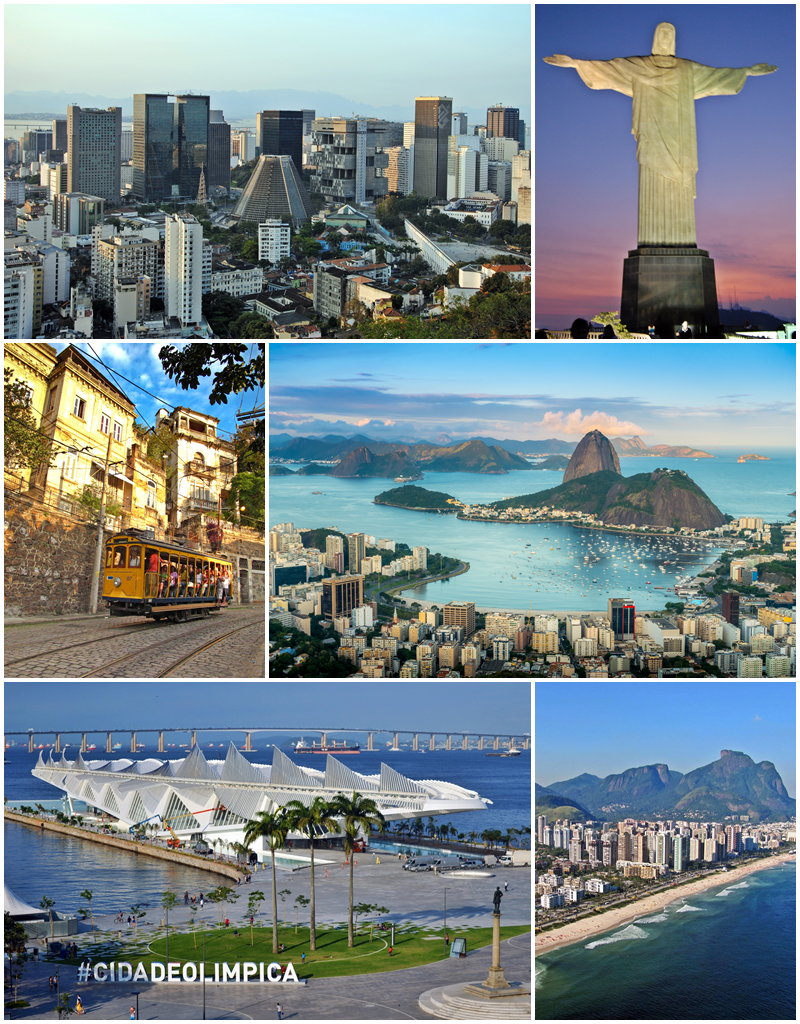
Write Up by @tented
Tourism
SPONSORS: Claro
SURFACE: Clay
PRIZE MONEY: $2,469,450
FIELD SIZE: 32
WEBSITE: www.rioopen.com
DEFENDING CHAMPION: Sebastian Baez
Seeds and Draw:
1 Cerundolo, Francisco
2 Darderi, Luciano
3 Fonseca, Joao
4 Baez, Sebastian
5 Ugo Carabelli, Camilo
6 Muller, Alexandre
7 Altmaier, Daniel
8 Etcheverry, Tomas Martin
The Tournament
The Rio Open, officially known as the Rio Open presented by Claro, stands as the premier men’s tennis event in South America. Played on outdoor clay courts at the scenic Jockey Club Brasileiro, it is the only ATP 500 tournament on the continent and, since 2020, the sole ATP Tour event held in Brazil.
Positioned during the South American “Golden Swing,” the Rio Open has quickly built a reputation for attracting high-calibre clay-court talent. The conditions — warm, often humid evenings and lively Brazilian crowds — create an intense, festival-like atmosphere. The red clay rewards heavy topspin, physical resilience, and creative point construction, making it a natural stage for specialists and rising stars alike.
Few tournaments can match Rio’s setting. Framed by the dramatic backdrop of mountains and city skyline, the Jockey Club Brasileiro offers a visually striking venue that blends sport with scenery. The crowd engagement is unmistakably Brazilian — passionate, rhythmic, and fully invested in every rally.
In just over a decade, the Rio Open has cemented its status as a flagship event for the region. It represents not only elite clay-court competition, but also South America’s enduring love affair with the surface and the sport.
via ChatGPT (seeded with TF staff content)
Rio de Janeiro
Rio de Janeiro, or simply Rio, is anchor to the Rio de Janeiro metropolitan area and the second-most populous municipality in Brazil and the sixth-most populous in the Americas. Rio de Janeiro is the capital of the state of Rio de Janeiro, Brazil's third-most populous state. Part of the city has been designated as a World Heritage Site, named "Rio de Janeiro: Carioca Landscapes between the Mountain and the Sea", by UNESCO on 1 July 2012 as a Cultural Landscape.
Founded in 1565 by the Portuguese, the city was initially the seat of the Captaincy of Rio de Janeiro, a domain of the Portuguese Empire. Later, in 1763, it became the capital of the State of Brazil, a state of the Portuguese Empire. In 1808, when the Portuguese Royal Court transferred itself from Portugal to Brazil, Rio de Janeiro became the chosen seat of the court of Queen Maria I of Portugal, who subsequently, in 1815, under the leadership of her son, the Prince Regent, and future King João VI of Portugal, raised Brazil to the dignity of a kingdom, within the United Kingdom of Portugal, Brazil, and Algarves. Rio stayed the capital of the pluricontinental Lusitanian monarchy until 1822, when the War of Brazilian Independence began. This is one of the few instances in history that the capital of a colonising country officially shifted to a city in one of its colonies. Rio de Janeiro subsequently served as the capital of the independent monarchy, the Empire of Brazil, until 1889, and then the capital of a republican Brazil until 1960 when the capital was transferred to Brasília.
Write Up by @tented
Tourism
Last edited:


